Quick Answer: True "detox" symptoms—fatigue, headache, nausea—are most associated with aggressive medical chelation that rapidly mobilizes stored metals faster than the body can excrete them. Gentle binder-based supplement protocols (zeolite, chlorella, activated charcoal) work at the GI level to reduce ongoing absorption, and Herxheimer-type reactions from these are uncommon. If you're experiencing significant symptoms during any protocol, that's a reason to slow down and consult a physician.
If you've started a heavy metal detox protocol and are wondering what symptoms are normal, expected, or worth worrying about—this article is for you.
The "detox symptoms" topic is one where the supplement and wellness industries have been particularly prone to overclaiming. The concept of feeling worse before you feel better during a detox is well-established in one specific context: medical chelation therapy. Applying that concept wholesale to supplement-based binder protocols is a stretch that the clinical evidence does not support.
This article explains where the idea comes from, what the actual experience of different protocols looks like, and how to approach your own clearance support sensibly.
1. What Detox Symptoms Are (and Where the Idea Comes From)
The concept most relevant here is the Jarisch-Herxheimer reaction, originally described in the treatment of syphilis. When large numbers of bacteria are killed rapidly by antibiotics, the sudden release of bacterial endotoxins causes a temporary inflammatory response—fever, chills, sweating, and malaise. The reaction is real and medically recognized.
This concept has been borrowed and extended into the broader "detox" space to describe symptoms attributed to the rapid mobilization of toxins from body tissues. The underlying logic is coherent in one narrow context: medical chelation therapy can mobilize stored metals from soft tissues into the bloodstream faster than the kidneys and liver can process them, transiently increasing circulating metal concentrations before they're excreted. This can cause symptoms.
However, the leap from "IV chelation can cause mobilization symptoms" to "chlorella smoothies cause detox symptoms" is large and not well-supported by evidence. The mechanisms are fundamentally different, the magnitudes are different, and the clinical picture is different.
When people report "detox symptoms" from supplement protocols, a few things may be happening: mild GI adjustment to new supplement ingredients, nocebo effect (feeling symptoms because you expect them), coincidental illness, or, in rare cases, genuine GI irritation from high-dose activated charcoal or other ingredients. What's almost certainly not happening is significant metal mobilization from bone or CNS storage.
2. Medical Chelation vs Binder Supplements: Very Different Experiences
It's worth being explicit about the difference, because the word "detox" gets applied to both.
Medical chelation uses pharmaceutical-grade chelating agents (DMSA, DMPS, EDTA) that bind metals in the bloodstream and tissues and pull them into circulation for renal excretion. This process is:
- Systemic — it acts on metals throughout the body, not just in the GI tract
- Powerful — it can meaningfully reduce blood and soft-tissue metal levels over a treatment course
- Non-selective — it removes essential minerals (zinc, copper) along with toxic ones
- Supervised — clinical protocols include mineral supplementation to compensate for losses
- Associated with real side effects — fatigue, nausea, headache, mineral depletion, and in poorly managed protocols, potential complications
Medical chelation is prescribed for documented clinical toxicity. It is not a wellness protocol.
GI-level binders (zeolite, chlorella, activated charcoal) operate entirely within the gastrointestinal tract. They bind metals in food and drink before they're absorbed through the intestinal wall. They also bind metals that are recycled through the gut via bile (enterohepatic circulation), which can reduce the overall circulating burden over time. What they do not do:
- Cross into the bloodstream to chelate metals from tissues
- Mobilize lead from bone
- Reach the central nervous system
- Create significant mineral depletion at typical supplement doses
The "detox symptom" experience is correspondingly different. Most people starting a binder protocol notice nothing significant beyond occasional GI adjustment in the first few days—particularly with activated charcoal, which can cause constipation at higher doses.
3. Common Symptoms Reported During Binder Protocols
To be straightforward: the clinical literature does not document a consistent "Herxheimer reaction" from supplement-level binder protocols the way it does from medical chelation or antimicrobial therapy. What does get reported, based on clinical experience and product reviews, is more modest:
GI adjustment: Activated charcoal is highly adsorbent and can affect bowel transit. Some people experience constipation; some experience looser stools as the gut microbiome adjusts to new substrates. This is typically mild and resolves within a week.
Fatigue in the first few days: Reported by some people beginning binder protocols. The mechanism is unclear and likely multi-factorial—it may be as simple as placebo/nocebo effect, or the gut microbiome responding to changes in dietary substrate. It does not appear to be sustained.
Headache: Occasionally reported. Dehydration (if people aren't increasing water intake with new fiber-like substrates) is a more likely cause than metal mobilization.
Changes in stool color or appearance: Activated charcoal turns stool black. This is cosmetic and not a cause for concern, but worth knowing in advance.
What is not expected or documented with binder protocols: severe fatigue requiring bed rest, neurological symptoms, significant nausea or vomiting, fever, or anything resembling the clinical presentation of chelation-related mobilization.
4. Why Herxheimer Reactions Are Rare With Gentle Binder Approaches
The math here is instructive. To experience a significant "mobilization reaction" from a supplement binder, the supplement would need to pull metals from storage in bone or deep tissues into the bloodstream at a rate faster than renal excretion could handle. Clinoptilolite zeolite, chlorella, and activated charcoal have no established mechanism for doing this—they operate at the gut level.
The metals that do get bound by GI binders are primarily:
- Metals arriving in the gut from food and water (reducing absorption)
- Metals excreted via bile into the gut (reducing enterohepatic recirculation)
In neither case is a large bolus of metal being suddenly mobilized from storage. The amounts involved are modest and handled through normal excretion.
Compare this to DMSA chelation, where a 10 mg/kg dose in a child with lead poisoning can produce a measurable increase in urinary lead excretion of 10–100x baseline. The scales are genuinely incomparable.
The chlorella and cilantro "heavy metal detox" protocols popular on social media occasionally include anecdotal reports of symptoms. Some practitioners theorize that cilantro may mobilize mercury—this claim circulates widely but lacks clinical evidence. A 1996 case report suggested the possibility; controlled studies have not confirmed it. Until the evidence is stronger, treating cilantro as a clinical chelation agent is not warranted.

5. Symptoms That Should Make You Call a Doctor
Regardless of what protocol you're on—supplement or otherwise—certain symptoms during any health intervention should prompt medical evaluation:
Neurological symptoms: New or worsening tingling, numbness, difficulty with coordination or balance, visual disturbance, or significant cognitive changes. These are never expected side effects of a supplement binder protocol.
Severe or persistent fatigue: Fatigue that prevents normal function and doesn't resolve after a few days of adjusting the protocol or stopping it.
Significant GI distress: Vomiting, severe abdominal pain, bloody stool, or diarrhea that persists beyond a few days.
Any symptom that feels clinically significant. The bar here should be: "Would I call my doctor about this if I weren't doing a detox protocol?" If yes, call your doctor.
One important note about activated charcoal specifically: at high doses, it can bind medications along with metals, reducing their absorption and effectiveness. Anyone taking prescription medications should consult their physician before adding activated charcoal to a regular supplement regimen.
6. How to Make Any Clearance Protocol More Effective
If you're focused on reducing heavy metal burden over time, the research suggests these supporting factors matter more than most supplement additions:
Hydration. Adequate water intake supports renal excretion of water-soluble metal forms (inorganic arsenic, inorganic mercury). If you're adding fiber-like binders, increasing water intake is important to prevent constipation.
Regular bowel movement. Constipation extends the contact time between metals (from food or bile) and the intestinal wall, increasing reabsorption opportunity. Regular elimination—ideally daily—is genuinely important for both dietary metal exposure and enterohepatic recirculation.
Fiber. Dietary fiber reduces GI transit time and provides additional binding surface area. It also feeds the gut microbiome, which plays an understudied role in heavy metal handling.
Adequate mineral intake. Calcium and iron compete with lead for GI absorption. Zinc supports metallothionein synthesis. Selenium is important for mercury handling (it forms stable, non-toxic selenium-mercury complexes). These aren't exotic interventions—they're standard nutrition recommendations that also happen to be relevant to metal metabolism.
Patience. Given what the half-life data shows—arsenic clears in days, cadmium in decades—no supplement protocol produces dramatic short-term results, and that's the honest expectation to set. Reducing ongoing daily absorption over months and years is the appropriate goal.
7. The Gentle Approach to Daily Heavy Metal Support
The most rational framing for a binder-based supplement protocol is not "detox" but "ongoing GI support to reduce daily accumulation." The distinction matters both for realistic expectations and for how you evaluate whether the approach is working.
You're unlikely to feel dramatically different in the first week—and that's actually evidence the approach is working as designed, not failing. Gentle, non-disruptive support that reduces what's getting in is the mechanism.
Building supportive habits around the supplement—staying hydrated, eating adequate fiber, maintaining regular elimination, reducing dietary metal exposure where practical—amplifies the impact more than any higher dose or more aggressive protocol.
8. Who This Is For
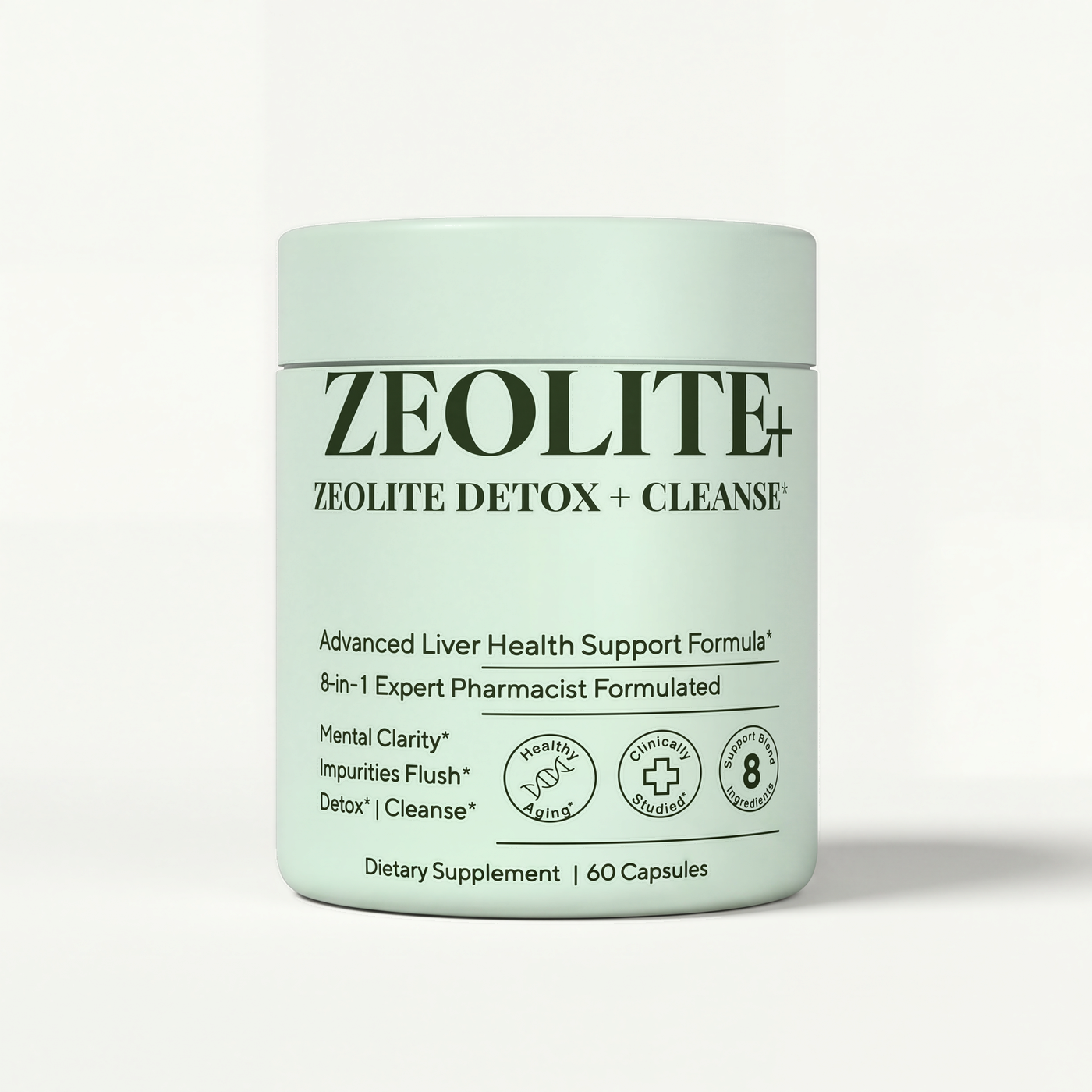
ZEOLITE+ is designed for this exact approach: consistent, daily GI-level support for people who want to be thoughtful about ongoing heavy metal exposure.
The formula uses activated, micronized clinoptilolite zeolite—micronized to maximize surface area and cation-exchange capacity—alongside chlorella and activated charcoal. The combination addresses the same GI mechanism from multiple angles: zeolite's ion-exchange capacity, chlorella's binding properties for certain metals, and charcoal's broad-spectrum adsorption.
It's a protocol you can maintain consistently, without expecting a dramatic "detox experience," and with a clear mechanism of action that the research supports at the GI level. Start with the recommended dose, keep up your water intake, and give it time. That's what the evidence supports.