Quick Answer: Every food contains trace amounts of heavy metals—they exist naturally in soil, water, and the atmosphere. The foods with the highest concern for specific metals include large predatory fish (mercury), rice and rice products (arsenic), some leafy greens and grains (cadmium), and certain spices and chocolate (lead). The appropriate response is informed dietary variety, not wholesale avoidance of nutritious foods.
Heavy metals in food is a topic that generates a disproportionate amount of alarm relative to the actual risk for most people. The FDA and EPA monitor food supplies for heavy metal contaminants, set action levels when evidence warrants it, and publish dietary guidance for the populations most at risk.
The goal of this article is not to frighten you about your grocery cart. It is to give you accurate information about which foods carry the highest metal burden for specific elements, what regulatory agencies say about it, and how to make practical dietary choices that reduce ongoing exposure without eliminating nutritious foods from your diet.
1. The Baseline Reality: Heavy Metals Are Everywhere at Low Levels
Heavy metals occur naturally in the earth's crust. Through weathering, they enter soil and water, and from there they enter plants and animals. Industrial activity has elevated environmental concentrations of certain metals—particularly lead and cadmium—beyond background levels in many regions, but even in pristine environments, heavy metals are present.
The question is never "zero vs. some exposure" but rather "what level of exposure is associated with measurable health risk?" The FDA and EPA use this framework when setting action levels, tolerance levels, and dietary guidance. These are not arbitrary numbers—they're based on dose-response data and risk assessments that account for body weight, frequency of consumption, and cumulative exposure from multiple sources.
When a food is flagged in the data that follows, it doesn't mean that food is dangerous or should be avoided entirely. It means that particular food is a meaningful contributor to dietary exposure for that metal, and thoughtful consumption—frequency, portion, and who is eating it—is warranted.
2. Mercury: The Fish Consumption Guide
Mercury is the heavy metal most closely associated with diet in public health guidance, specifically as methylmercury in fish.
Mercury enters the atmosphere from natural sources (volcanoes) and human activity (coal combustion). It deposits into water bodies, where bacteria convert inorganic mercury to methylmercury—the organic form that bioaccumulates in aquatic food chains. Methylmercury accumulates dramatically in large, long-lived, predatory fish that consume many smaller fish over their lifetimes: a process called biomagnification.
Highest mercury fish (FDA advisory to avoid or strictly limit): - Shark - Swordfish - King mackerel - Tilefish (Gulf of Mexico) - Bigeye tuna
Best choices for regular consumption (lower mercury): - Salmon, sardines, trout (freshwater), pollock, canned light tuna, shrimp, scallops, catfish, anchovies, tilapia
The FDA's advisory is specifically directed at pregnant women, women who may become pregnant, breastfeeding mothers, and young children—the populations where methylmercury's neurodevelopmental risk is greatest. For these groups, the recommendation is 8–12 ounces per week of lower-mercury choices, with strict avoidance of the highest-mercury species.
For the general adult population, the calculus involves the genuine nutritional benefits of fish (omega-3 fatty acids, high-quality protein, selenium) against the mercury risk. The FDA and EPA consensus is that fish consumption is beneficial for most adults, with appropriate species selection and frequency. Avoiding all fish due to mercury concerns would forgo documented cardiovascular and cognitive benefits that outweigh the mercury risk for typical consumers.
3. Lead: The Surprising Modern Sources
Lead's most discussed sources—leaded gasoline and lead paint—are legacy problems that have substantially reduced blood lead levels in the U.S. since their phase-out. But dietary lead exposure is ongoing through several less-publicized routes.
Chocolate and cocoa products have attracted significant attention since a 2022 Consumer Reports investigation tested 28 dark chocolate products and found that 23 contained lead or cadmium above levels the organization considered concerning (using California's Proposition 65 maximum allowable dose levels as a benchmark). The lead in cocoa likely comes from contaminated soil in growing regions (particularly West Africa) and from drying practices that expose beans to soil. Cocoa is not uniformly contaminated—levels vary considerably by brand, origin, and processing—but it is a dietary source worth awareness for people who consume dark chocolate daily.
Spices are an underappreciated dietary lead source. A 2023 study funded by the FDA found that a significant proportion of imported spices tested contained detectable lead; turmeric, coriander, and some chili powders have been flagged in various state and FDA testing programs. Lead has historically been used as an adulterant in some turmeric supplies to enhance color. The FDA has issued import alerts and recalls for spices with elevated lead. Buying organic spices from reputable suppliers does not guarantee zero lead, but it does reduce the likelihood of intentional adulteration.
Leafy vegetables grown in contaminated soil can accumulate lead, particularly in urban gardens or areas near former industrial sites. Home gardeners should test soil before planting food crops, particularly in urban areas or near old housing.
Old ceramic cookware and dishware with lead-containing glazes can leach lead into food, particularly acidic foods (tomato sauce, citrus). Modern American-made and reputable imported ceramics must meet FDA standards, but antique or informally imported ceramics may not.
Imported spices, candy, and foods sometimes contain elevated lead and are subject to FDA monitoring. The FDA's Foods program tracks and takes action on contaminated imports.
4. Cadmium: The Plant Foods With Hidden Burden
Cadmium is less discussed than lead or mercury but is arguably the most persistent common heavy metal in the body (kidney half-life of 10–30 years). It enters the food supply primarily through soil—cadmium is naturally present in soil and is also introduced through phosphate fertilizers, which contain cadmium as a natural impurity.
Plants that are efficient cadmium accumulators include:
- Leafy greens: Spinach, kale, Swiss chard, and lettuce can concentrate cadmium from soil more than root vegetables or fruits do.
- Cereals and grains: Wheat and some other grains absorb cadmium through roots. Whole grain products contain more cadmium than refined ones because cadmium concentrates in the outer bran layers.
- Rice: Cadmium as well as arsenic accumulates in rice; this is particularly relevant in regions where rice paddies have been irrigated with cadmium-contaminated water (certain regions of Japan and Southeast Asia had severe rice cadmium contamination historically).
- Sunflower seeds: Among the highest dietary cadmium sources in studies of Western diets.
- Shellfish: Oysters and mussels can accumulate cadmium from seawater.
The European Food Safety Authority (EFSA) identified cereals, vegetables, nuts, and oilseeds as the primary dietary cadmium contributors in European populations. Similar patterns apply in North America.
This does not mean leafy greens and whole grains are bad for you—they are among the most evidence-backed foods for health. It does mean that someone eating very large amounts of the same cadmium-concentrating plants daily, over many years, is contributing more to their cadmium burden than someone eating a varied diet. Variety is genuinely protective here.
5. Arsenic: Why Rice Is a Concern, Especially for Children
Arsenic occurs naturally in soil and groundwater, and rice is unique among common grains in its arsenic uptake efficiency. Rice is grown in flooded paddies; arsenic in water is readily absorbed through rice roots. Rice flour and rice cereal are therefore higher in arsenic than most other grain products.
The FDA has been monitoring arsenic in rice products since 2011. In 2020, the FDA finalized an action level of 100 parts per billion (ppb) inorganic arsenic for infant rice cereal specifically—a level set to protect the population with the highest consumption rate and greatest vulnerability.
Highest-arsenic rice products (generally): - Brown rice (higher than white rice—arsenic concentrates in the outer bran) - Rice flour - Rice cereal (infant formula and adult) - Rice cakes and rice crackers - Rice pasta
Lower-arsenic grain alternatives: - Oat-based cereals - Millet - Corn grits/polenta - Quinoa - Barley
The FDA and AAP (American Academy of Pediatrics) specifically advise against making infant rice cereal the sole or primary grain for infants, recommending rotation with oat, barley, or multigrain alternatives. For adults, eating rice daily is unlikely to cause arsenic-related health problems at typical serving sizes—but people who eat rice multiple times per day have higher inorganic arsenic intake than those who vary their grain consumption.
Apple juice is another arsenic concern, particularly for young children. The FDA set a guidance level of 10 ppb for apple juice in 2013 after testing found elevated arsenic in some products. Most major brands complied; the recommendation for children is to limit juice intake generally (for multiple nutritional reasons), which also reduces arsenic exposure.
Some seaweeds contain elevated total arsenic, though much of it is in organic arsenical forms (arsenosugars) that appear less toxic than inorganic arsenic. The picture is more nuanced than simple total arsenic measurements suggest, and the science continues to evolve.

6. Other Metals: Aluminum, Chromium, Nickel in Foods
Aluminum is the most abundant metal in the earth's crust and is present in virtually all foods at low levels. Specific dietary sources of higher aluminum include baking powder that uses aluminum-containing leavening agents (sodium aluminum sulfate, sodium aluminum phosphate), some processed cheeses, and certain antacids used as food additives. Aluminum-containing antacid medications can contribute meaningfully to aluminum intake for regular users. Most aluminum ingested orally is not absorbed efficiently, but bioavailability increases in the presence of acids (citric acid, ascorbic acid).
Chromium is an essential trace mineral at low doses (it's involved in insulin signaling) but potentially toxic at high doses of hexavalent chromium (Cr VI), which is an industrial contaminant distinct from dietary trivalent chromium (Cr III). Dietary chromium concerns are relatively limited compared to the metals above.
Nickel is present in relatively high concentrations in legumes, nuts, whole grains, and chocolate. People with nickel contact allergy sometimes experience systemic reactions from high nickel dietary intake, but this is a specific immune-mediated sensitivity rather than straightforward toxicity.
7. How to Eat to Minimize Ongoing Exposure
The most consistent piece of advice across the toxicological literature is dietary variety. A monotonous diet centered on high-arsenic rice and high-cadmium greens will accumulate those metals faster than a varied diet where no single food dominates.
Practical guidance by metal:
Mercury: Know your fish. Eat lower-mercury species for regular meals; reserve high-mercury species for occasional consumption if at all. Pregnant women and young children should follow FDA guidelines strictly.
Lead: Source your spices carefully. Prefer established brands with testing transparency. If you have an old home or urban garden, test your soil before growing food. Avoid storing acidic foods in antique ceramic vessels.
Cadmium: Rotate your leafy greens and vary your grain sources. Don't build your diet around the same cadmium-concentrating plants daily. Support kidney health with adequate hydration and zinc intake.
Arsenic: If rice is a dietary staple, vary it with other grains. Cook rice in excess water and drain it (this can reduce arsenic content by 25–45% according to FDA testing, though it also removes some nutrients). For infants, rotate grain sources rather than relying solely on rice cereal.
Aluminum: If baking regularly, look for aluminum-free baking powder (cream of tartar based alternatives are widely available). Don't use aluminum cookware for prolonged cooking of acidic foods.
8. The Regulatory Summary
| Metal | Primary Food Sources | Who Is Most at Risk | FDA/EPA Action Level or Advice |
|---|---|---|---|
| Mercury (MeHg) | Large predatory fish | Pregnant women, children | Avoid shark, swordfish, king mackerel, tilefish; limit to 8–12 oz/week of low-Hg fish |
| Lead (Pb) | Spices, chocolate, leafy greens in contaminated soil, old ceramics | Infants, young children, pregnant women | No formal action level for most foods; Prop 65 used as reference; FDA monitors via Total Diet Study |
| Cadmium (Cd) | Cereals, leafy greens, sunflower seeds, shellfish | Lifelong high consumers; people with renal compromise | No federal action level for food (European limits exist); FDA monitors via Total Diet Study |
| Arsenic (As) | Rice, rice flour, rice cereal, apple juice | Infants and young children (rice cereal) | 100 ppb inorganic As in infant rice cereal (FDA, 2020); 10 ppb in apple juice (FDA, 2013) |
| Aluminum (Al) | Baking powder, processed cheese, antacids | People with renal impairment | No specific food action level; GRAS designation for most food-grade aluminum compounds |
9. What You Can Do Beyond Diet
Dietary choices address the biggest controllable variable in heavy metal exposure for most people. Beyond food, a few additional practical steps cover meaningful bases:
Test your water. Municipal water quality reports (required annually under EPA regulations) don't always capture lead leaching from household plumbing. If your home has older pipes or fixtures, a certified lab tap test for lead is worth doing—especially before a child's first year of life.
Ventilate when sanding or renovating old paint. Dry sanding lead paint is one of the fastest ways to elevate blood lead significantly. Use appropriate containment and PPE, or hire an EPA-certified lead abatement contractor.
Wash hands and produce. Surface contamination from soil matters, particularly for children who engage in hand-to-mouth behavior.
Consider a GI-level binder. For people with identified dietary exposure patterns—daily fish consumption, heavy rice intake, regular dark chocolate consumption—adding a GI-level binder as part of a daily supplement routine addresses real biology. Clinoptilolite zeolite's cation-exchange mechanism specifically binds positively charged heavy metal ions in the gut, reducing what gets absorbed into circulation. It won't change what's already stored in tissue, but for ongoing exposure management, the mechanism is well-characterized.
10. Who This Is For
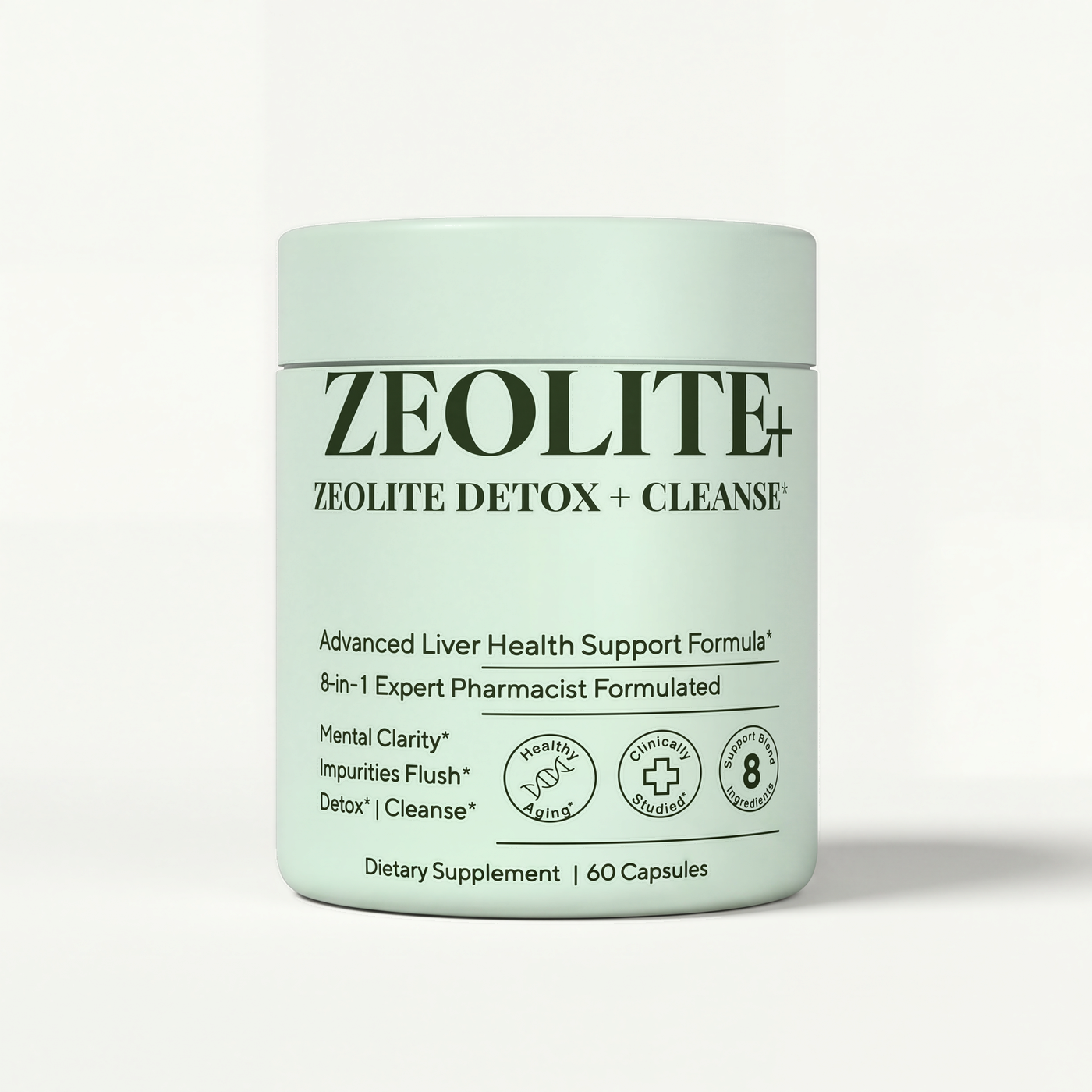
If you're paying attention to dietary metal exposure and want a daily tool to support GI-level clearance alongside a varied, thoughtful diet, ZEOLITE+ combines the three most studied GI binders—activated micronized clinoptilolite zeolite, chlorella, and activated charcoal—in a single formula.
Zeolite's published research on heavy metal binding in the gastrointestinal tract makes it the most substantive ingredient in this category. The formula is not positioned as a replacement for dietary awareness—the two work together. Eating a varied, lower-exposure diet reduces how much metal you're bringing in; a zeolite-based binder protocol helps manage what does get through.
Neither intervention is a cure or a treatment. Both address the ongoing accumulation side of the equation, which is where people with normal environmental exposure have the most meaningful leverage.