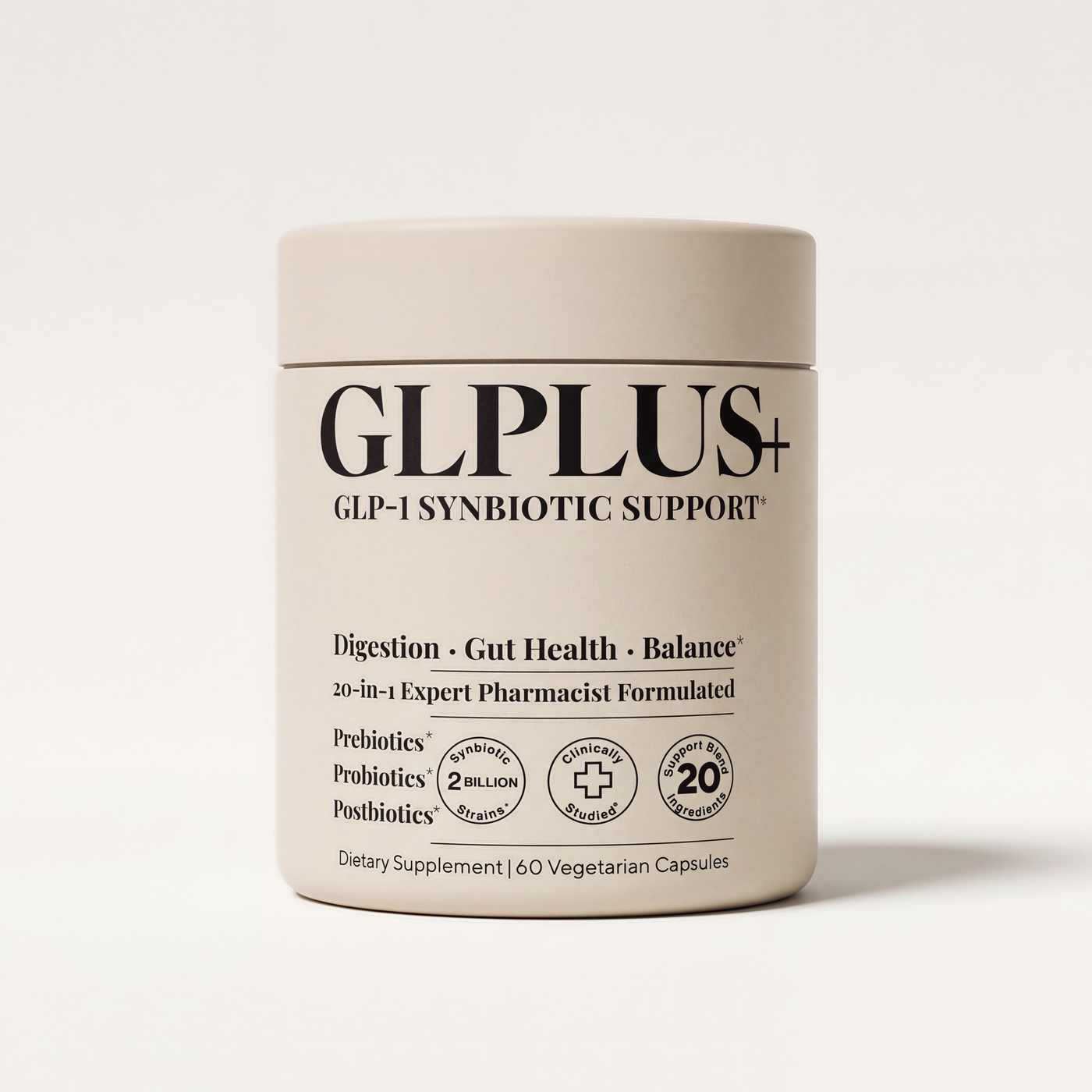
Quick Answer: Akkermansia muciniphila is a gram-negative, strictly anaerobic bacterium that lives in the mucus layer lining your intestinal wall. It is the most extensively studied "next-generation probiotic" — a class of gut microorganisms that operate through structural and signaling mechanisms rather than the temporary colonization model of traditional probiotics. Robust human clinical trial data link higher Akkermansia abundance to improved insulin sensitivity, reduced gut permeability, and lower markers of metabolic dysfunction.

For most of the history of probiotic science, the focus stayed narrow: Lactobacillus and Bifidobacterium dominated the research landscape, the supplement industry, and the clinical conversation. They were the bacteria you knew by name. They were in your yogurt.
Then, starting in the early 2000s, advances in gut microbiome sequencing began revealing something important: the most metabolically relevant bacteria in the human gut were not the ones in the supplement aisle. They were deeper — harder to culture, impossible to survive in standard manufacturing conditions, and operating through mechanisms that traditional probiotic science had not anticipated.
Akkermansia muciniphila is at the center of that shift. It is not a new discovery in an academic sense — it was formally identified in 2004 — but the depth of understanding around what it does, how it does it, and why its decline correlates so strongly with metabolic disease has accelerated dramatically in the past decade. This article covers the science: what Akkermansia is, where it lives, what it does there, and what the best available human evidence shows.
What Akkermansia muciniphila Is
Akkermansia muciniphila is a gram-negative, strictly anaerobic bacterium classified within the phylum Verrucomicrobia. It is the sole described species within the genus Akkermansia and the only known representative of the Akkermansiaceae family.
The taxonomy carries useful information. Gram-negative means the cell wall architecture includes an outer membrane — a structural detail that becomes mechanistically important when we discuss the Amuc_1100 surface protein. Strictly anaerobic means it cannot tolerate oxygen and will not survive in standard probiotic manufacturing conditions that expose bacteria to ambient air. This constraint is why Akkermansia cannot be produced and delivered the way Lactobacillus strains are.
The name encodes its biology. The genus Akkermansia honors Antoon Akkermans, a Dutch microbiologist at Wageningen University who made major contributions to understanding microbial ecology in the gastrointestinal tract. The species epithet muciniphila is Latin for "mucus-loving" — a direct description of where it lives and what it feeds on.
The organism was formally discovered, described, and cultivated in 2004 by Muriel Derrien and colleagues at Wageningen University in the Netherlands. Their work established the first pure culture, characterized the genome, and confirmed that this organism colonizes the mucus layer of the human intestinal tract — a niche that had been structurally important but microbiologically undercharacterized until that point.
Where It Lives and What It Does There
To understand Akkermansia's function, you need to understand the environment it occupies.
The Gut Mucus Layer
The interior wall of your intestinal tract is not a smooth, exposed surface. It is covered by a dynamic, continuously renewing layer of mucus — a complex gel composed primarily of glycoproteins called mucins, particularly MUC2 in the large intestine. This mucus layer is not passive. It serves as a physical barrier between the microbial contents of the gut lumen and the epithelial cells that make up the intestinal lining.
In a healthy gut, the mucus layer is organized into two distinct zones: a firm, bacteria-excluding inner layer in direct contact with the epithelium, and a looser, bacteria-permissive outer layer where microbial colonization occurs. The total thickness of this bilayer in the colon ranges from approximately 150 to 300 micrometers under normal conditions — thin enough to seem negligible, but critical enough that its degradation correlates directly with increased intestinal permeability and systemic inflammation.
Akkermansia lives in this mucus layer. It is the most abundant mucus-associated bacterium in the healthy human gut, representing roughly 1–4% of the total gut microbiota in healthy adults.
Feeding on Mucin and Stimulating Renewal
Akkermansia is a mucolytic organism — it breaks down mucin glycoproteins and uses the resulting sugars as its primary carbon and energy source. On the surface, this sounds problematic. If it degrades the mucus barrier, shouldn't it compromise gut integrity?
The answer lies in the renewal cycle. When Akkermansia degrades mucin at a moderate, controlled rate, it sends a degradation signal to the goblet cells of the intestinal epithelium — the specialized cells responsible for secreting mucin. This signal stimulates increased mucin production, effectively driving a renewal cycle that maintains or increases mucus layer thickness. Akkermansia does not deplete the barrier; it stimulates its continuous regeneration. In the absence of adequate Akkermansia colonization, this renewal stimulus weakens, goblet cell activity decreases, and the mucus layer thins.
Short-Chain Fatty Acid Production
As metabolic byproducts of mucin fermentation, Akkermansia produces short-chain fatty acids (SCFAs), particularly propionate and acetate. These SCFAs serve multiple functions: they are a primary energy source for colonocytes (the cells of the colon lining), they modulate immune signaling through G protein-coupled receptors (GPR41, GPR43), and propionate in particular has downstream effects on glucose metabolism and appetite signaling via free fatty acid receptor activation.
The Amuc_1100 Protein and Tight Junction Integrity
Akkermansia's most mechanistically important contribution to gut barrier function is not the mucus renewal cycle — it is a specific outer membrane protein: Amuc_1100.
Amuc_1100 is a pilus-like protein expressed on the outer membrane of Akkermansia. It binds to Toll-like receptor 2 (TLR2) expressed on intestinal epithelial cells and immune cells. TLR2 activation by Amuc_1100 triggers signaling cascades that upregulate the expression of tight junction proteins — the molecular clamps (claudin-3, occludin, ZO-1) that seal the spaces between epithelial cells and prevent paracellular translocation of luminal contents into systemic circulation.
This mechanism was characterized in detail by Plovier et al. (2017) in Nature Medicine, which demonstrated that the Amuc_1100 protein alone — purified and administered without living bacteria — was sufficient to recapitulate most of the metabolic benefits of Akkermansia supplementation in obese mice. It improved gut barrier integrity, reduced metabolic endotoxemia, and improved metabolic markers. Critically, the protein retained activity after pasteurization, which has direct implications for how Akkermansia can be delivered as a supplement.
Akkermansia and GLP-1
One of the most compelling recent areas of Akkermansia research involves its relationship to glucagon-like peptide-1 (GLP-1) — the incretin hormone that has become central to the pharmaceutical treatment of type 2 diabetes and obesity with drugs like semaglutide (Ozempic, Wegovy).
GLP-1 is produced and secreted by L-cells, enteroendocrine cells concentrated in the distal small intestine and proximal colon. L-cells respond to luminal nutrients and specific molecular signals by releasing GLP-1 into the circulation, where it enhances insulin secretion, suppresses glucagon, slows gastric emptying, and reduces appetite via central nervous system signaling.
Akkermansia appears to stimulate L-cell GLP-1 secretion through a specific surface protein: P9.
The mechanism works as follows: the Akkermansia P9 surface protein binds to ICAM-2 (intercellular adhesion molecule 2) expressed on intestinal L-cells. This receptor interaction triggers calcium signaling within the L-cell, which activates the secretory machinery that releases GLP-1 into the portal circulation. The pathway is receptor-mediated and specific — it is not a generalized inflammatory or metabolic response, but a direct molecular interaction between a bacterial surface protein and an enteroendocrine receptor.
This mechanism connects Akkermansia colonization directly to one of the most therapeutically important hormonal axes in metabolic health. Lower Akkermansia abundance may translate, in part, to reduced endogenous GLP-1 output — and this may contribute to the metabolic consequences that track with Akkermansia depletion in epidemiological data.
For accurate attribution: the Amuc_1100 / tight junction work was published by Plovier et al. (2017) in Nature Medicine. The P9 / ICAM-2 / GLP-1 mechanism was characterized subsequently and is described in work published in 2021 in Nature Metabolism.
Akkermansia and Metabolic Health: The Human Evidence
Mechanistic data from cell culture and animal models are necessary but not sufficient to establish clinical relevance. The critical question is always: what does it do in humans?
The landmark human evidence for Akkermansia comes from a randomized, double-blind, placebo-controlled trial published by Depommier et al. (2019) in Nature Medicine: the first clinical trial to test Akkermansia supplementation directly in human volunteers.
The trial enrolled 32 overweight and obese adults with insulin resistance — a population specifically selected because lower Akkermansia abundance had been consistently observed in this metabolic phenotype in prior epidemiological work. Participants were randomized to three arms: placebo, live Akkermansia (3.0 × 10^10 bacteria per day), and pasteurized Akkermansia (3.0 × 10^10 bacteria per day). Supplementation continued for 3 months.
The key findings from the pasteurized Akkermansia group versus placebo:
- Improved insulin sensitivity — statistically significant reduction in insulin resistance markers
- Reduced total cholesterol — meaningful improvement in lipid profile
- Reduced gut permeability markers — lower plasma lipopolysaccharide (LPS) binding protein, indicating reduced translocation of bacterial endotoxins into systemic circulation
- Trend toward reduced body weight — the trial was not powered for weight loss as a primary endpoint, but numerical differences were observed
- Improved metabolic endotoxemia markers overall, consistent with improved gut barrier function
A critical and counterintuitive finding from this trial: pasteurized Akkermansia outperformed live Akkermansia on some metabolic markers. The proposed explanation returns to Amuc_1100 — heat kills the bacterium but preserves the outer membrane protein, and Amuc_1100's TLR2 signaling activity is thermostable. Live Akkermansia, by contrast, cannot survive the oxygen exposure and acid environment of the upper GI tract in sufficient numbers to exert consistent benefit. Pasteurization, paradoxically, stabilizes the most therapeutically relevant molecular cargo.
This trial remains the foundational human evidence for Akkermansia supplementation and establishes the dose and formulation parameters for current clinical and commercial development.

Why Akkermansia Abundance Declines
Akkermansia is not a fixed quantity in the gut microbiome. Its abundance is dynamic, influenced by lifestyle and health status — and there are multiple well-characterized factors that deplete it.
Antibiotic use is the most acute disruptor. Broad-spectrum antibiotics, particularly those with anaerobic coverage, can dramatically reduce Akkermansia abundance. Because Akkermansia occupies a specific ecological niche (the mucus layer) and requires the mucus substrate to sustain itself, its recovery after antibiotic disruption can be slow and incomplete without dietary support.
The Western diet — characterized by high intake of processed foods, refined carbohydrates, saturated fats, and low dietary fiber — consistently associates with lower Akkermansia abundance in both cross-sectional and longitudinal studies. Akkermansia depends on fiber and polyphenols as indirect substrates that support gut environment conditions favorable to mucus production; a fiber-depleted diet reduces the ecological conditions that sustain it.
Aging is independently associated with declining Akkermansia abundance, even controlling for dietary factors. The mechanisms are not fully resolved, but age-related changes in mucin composition, immune function, and co-occurring microbial shifts likely all contribute.
Metabolic syndrome and obesity show a strong inverse relationship with Akkermansia. Multiple epidemiological studies have documented that individuals with higher BMI, insulin resistance, type 2 diabetes, and dyslipidemia have significantly lower Akkermansia relative abundance compared to metabolically healthy controls. The direction of causality is bidirectional and likely self-reinforcing: metabolic dysfunction depletes Akkermansia, and lower Akkermansia worsens the metabolic environment.
The inverse relationship between Akkermansia abundance and metabolic health markers has been replicated across populations and study designs, establishing it as one of the most consistent findings in metabolic microbiome research.
What Influences Akkermansia Naturally
Understanding what depletes Akkermansia also points toward what can support it. Several dietary and lifestyle factors have demonstrated the ability to increase Akkermansia relative abundance.
Dietary fiber — particularly inulin and fructooligosaccharides (FOS) — supports Akkermansia indirectly by feeding beneficial bacteria that produce byproducts favorable to the mucus ecosystem, and by stimulating goblet cell activity and mucin production. More substrate means more ecological opportunity for Akkermansia to thrive.
Polyphenol-rich foods have demonstrated direct stimulatory effects on Akkermansia abundance in both human and animal studies. Pomegranate (ellagitannins), cranberry (proanthocyanidins), and red grape (resveratrol, quercetin) are among the most studied. Polyphenols resist digestion and arrive in the colon where they are metabolized by — and appear to selectively favor the growth of — Akkermansia and related mucolytic species. This connection also explains why Akkermansia is involved in the ellagitannin-to-Urolithin A conversion pathway.
Berberine — an alkaloid compound derived from plants including Berberis species — has shown repeated ability to increase Akkermansia abundance in both rodent models and human trials examining its metabolic effects. The mechanism involves berberine's activation of AMPK (AMP-activated protein kinase), which has downstream effects on gut motility, mucin expression, and the competitive ecology of the mucus layer. Multiple studies examining berberine's effects on metabolic markers have noted concomitant increases in Akkermansia as a likely mediating mechanism.
Caloric restriction and intermittent fasting consistently increase Akkermansia abundance across animal and human studies. The mechanism is not fully characterized but appears to involve changes in gut transit, mucus turnover, and shifts in the luminal nutrient environment that favor Akkermansia's mucin-feeding strategy over bacteria that depend on dietary substrates.
Akkermansia vs. Traditional Probiotics
The term "next-generation probiotic" is not marketing language. It reflects a genuine taxonomic and mechanistic distinction between Akkermansia and the organisms that have traditionally defined the probiotic category.
Traditional probiotics — primarily Lactobacillus and Bifidobacterium species — operate on a temporary colonization model. They are aerotolerant or microaerophilic organisms that survive oxygen exposure and standard capsule manufacturing. When consumed, they transit the gut, temporarily modulating the luminal environment, then are cleared. They do not permanently alter the microbiome structure of a healthy adult gut; their benefits occur during transit and shortly after. This does not make them ineffective — for specific indications, particularly antibiotic-associated diarrhea and certain immune conditions, the evidence is solid. But their mechanism is fundamentally transient.
Akkermansia occupies a structural niche in the mucus layer. It is not a transient organism. Its abundance is determined by whether it can establish and maintain residence in a specific physical location — the inner mucus layer of the colon — not whether it can survive passage and exert brief effects before being cleared. This difference in niche type means Akkermansia behaves more like a resident that needs to be cultivated and protected than a visitor that needs to be periodically replenished.
This structural distinction also creates the manufacturing challenge that defines next-generation probiotics as a category: Akkermansia cannot survive standard capsule production. It is obligately anaerobic. Exposure to the oxygen present in conventional manufacturing environments kills it. It cannot be simply mixed into a probiotic blend and encapsulated the way Lactobacillus rhamnosus can.
The Depommier 2019 trial resolved this through pasteurization — heat treatment that kills the living bacterium but preserves the outer membrane proteins, particularly Amuc_1100, that drive the majority of the therapeutic benefit. The pasteurized form not only survives manufacturing and storage but, as that trial demonstrated, outperformed live Akkermansia on several metabolic markers. The heat-stable Amuc_1100 protein appears to be the primary active effector, and preserving it — rather than preserving live bacteria — is the relevant manufacturing goal.
This makes Akkermansia supplementation a fundamentally different proposition than traditional probiotics: it is not about delivering live organisms for temporary colonization. It is about delivering the bioactive surface proteins of a specific bacterium in a stable form that can exert structural and signaling effects on gut epithelium.
Frequently Asked Questions
What is Akkermansia muciniphila? Akkermansia muciniphila is a gram-negative, strictly anaerobic bacterium that colonizes the mucus layer of the human intestinal wall. It was first isolated and described in 2004 by Muriel Derrien and colleagues at Wageningen University. It is the most well-studied organism in the emerging category of next-generation probiotics, and it is associated with gut barrier integrity, reduced metabolic endotoxemia, and improved metabolic health markers in human clinical trials.
Is Akkermansia a probiotic? It is classified as a next-generation probiotic — a category that is distinct from traditional probiotics in both mechanism and manufacturing. Traditional probiotics like Lactobacillus and Bifidobacterium are aerotolerant organisms that exert transient effects during gut transit. Akkermansia is strictly anaerobic, cannot survive conventional probiotic manufacturing, and operates through structural interaction with the gut mucus layer rather than temporary colonization. The commercially viable form is pasteurized (heat-killed) Akkermansia, which preserves the therapeutically active outer membrane proteins.
How does Akkermansia affect GLP-1? Akkermansia's P9 surface protein binds to the ICAM-2 receptor expressed on intestinal L-cells — the enteroendocrine cells that produce and secrete GLP-1. This receptor interaction triggers calcium signaling within the L-cell that activates GLP-1 secretion. The mechanism is receptor-mediated and specific, meaning it represents a direct molecular link between Akkermansia colonization levels and the output of the GLP-1 axis — one of the most important hormonal regulators of glucose metabolism, insulin secretion, and appetite.
Can you test your Akkermansia levels? Yes. Gut microbiome tests that use 16S rRNA sequencing or shotgun metagenomic sequencing can quantify Akkermansia relative abundance in a stool sample. Several direct-to-consumer gut microbiome testing platforms report Akkermansia abundance as a specific metric. The clinical interpretation of specific abundance percentages is still being refined, but consistently low abundance — particularly in individuals with metabolic risk factors — is considered a meaningful finding in the context of current research.
How do you increase Akkermansia naturally? The best-supported dietary approaches are: (1) increasing intake of dietary fiber, particularly inulin and prebiotic-rich vegetables, (2) consuming polyphenol-rich foods such as pomegranate, cranberry, and red grapes, and (3) reducing ultra-processed food intake and increasing overall dietary quality. Intermittent fasting and caloric restriction have also consistently demonstrated Akkermansia-increasing effects across multiple studies. Berberine supplementation has shown repeated ability to increase Akkermansia in both clinical and animal research. Avoiding unnecessary antibiotic exposure and prioritizing gut-supportive habits are also protective.
What does Akkermansia do for weight loss? The relationship between Akkermansia and body weight is mediated primarily through metabolic mechanisms rather than direct fat-burning effects. Akkermansia improves gut barrier integrity (reducing metabolic endotoxemia that drives insulin resistance), stimulates GLP-1 secretion (which reduces appetite and improves glucose metabolism), and improves insulin sensitivity — all of which are mechanistically upstream of body weight regulation. The Depommier 2019 human trial showed a trend toward reduced body weight with pasteurized Akkermansia supplementation, though the trial was not designed or powered as a weight loss study. Akkermansia is better understood as a metabolic health organism than a weight loss intervention specifically.
Why does Akkermansia abundance matter if I feel healthy? Gut barrier degradation and metabolic endotoxemia — the processes most closely linked to low Akkermansia abundance — are largely subclinical until they are not. Systemic low-grade inflammation driven by bacterial lipopolysaccharide (LPS) translocation through a compromised gut barrier progresses silently and is associated with insulin resistance, cardiovascular disease risk, and neuroinflammation over time. Maintaining adequate Akkermansia abundance is a preventive measure at the gut barrier level, not a response to an existing obvious symptom.
Key Takeaways
- Akkermansia muciniphila was discovered in 2004. It is gram-negative, strictly anaerobic, and colonizes the mucus layer of the intestinal wall — a structural niche no traditional probiotic occupies.
- It feeds on mucin glycoproteins and, in doing so, stimulates continuous mucus renewal via goblet cell signaling — maintaining gut barrier thickness rather than degrading it.
- Its outer membrane protein Amuc_1100 activates TLR2 on intestinal epithelial cells, directly upregulating tight junction proteins and improving paracellular barrier integrity.
- Its surface protein P9 binds ICAM-2 on intestinal L-cells and triggers calcium-mediated GLP-1 secretion — directly connecting Akkermansia colonization to the incretin axis.
- The landmark human RCT (Depommier et al., 2019, Nature Medicine) demonstrated that pasteurized Akkermansia supplementation at 3.0 × 10^10 bacteria/day for 3 months improved insulin sensitivity, reduced cholesterol, reduced gut permeability markers, and trended toward reduced body weight.
- Pasteurized Akkermansia outperformed live Akkermansia in that trial — likely because Amuc_1100 is heat-stable and the pasteurized form survives manufacturing and GI transit more reliably.
- Akkermansia abundance declines with antibiotic use, Western diet, aging, obesity, and metabolic syndrome — and is inversely correlated with metabolic health markers across epidemiological studies.
- Inulin, polyphenol-rich foods, berberine, and caloric restriction are the most evidence-supported ways to increase Akkermansia abundance through lifestyle and diet.
Related Reading
- What Is GLP-1? The Gut Hormone Behind Modern Weight Loss Science
- What Is Urolithin A? The Postbiotic Compound Behind Mitochondrial Renewal
- What Is Mitophagy? The Cellular Cleanup Process You Haven't Heard Of
Evidence References
-
Derrien M, Vaughan EE, Plugge CM, de Vos WM. Akkermansia muciniphila gen. nov., sp. nov., a human intestinal mucus-degrading bacterium. Int J Syst Evol Microbiol. 2004;54(Pt 5):1469-1476.
-
Plovier H, Everard A, Druart C, et al. A purified membrane protein from Akkermansia muciniphila or the pasteurized bacterium improves metabolism in obese and diabetic mice. Nat Med. 2017;23(1):107-113.
-
Depommier C, Everard A, Druart C, et al. Supplementation with Akkermansia muciniphila in overweight and obese human volunteers: a proof-of-concept exploratory study. Nat Med. 2019;25(7):1096-1103.
-
Plovier H, Cani PD. Akkermansia muciniphila and its membrane protein Amuc_1100: a new tool against metabolic syndrome. Nat Metab. 2021. [Review of Akkermansia P9 / ICAM-2 / GLP-1 pathway context]
-
Everard A, Belzer C, Geurts L, et al. Cross-talk between Akkermansia muciniphila and intestinal epithelium controls diet-induced obesity. Proc Natl Acad Sci USA. 2013;110(22):9066-9071.
-
Plovier H, Druart C, Cani PD. The role of Akkermansia muciniphila in health and disease: 18 years after its discovery. Cell Host Microbe. 2022.
-
Zhang T, Li Q, Cheng L, Buch H, Zhang F. Akkermansia muciniphila is a promising probiotic. Microb Biotechnol. 2019;12(6):1109-1125.
-
Cani PD, de Vos WM. Next-generation beneficial microbes: the case of Akkermansia muciniphila. Front Microbiol. 2017;8:1765.
-
Belzer C, de Vos WM. Microbes inside — from diversity to function: the case of Akkermansia. ISME J. 2012;6(8):1449-1458.
-
Plovier H, Everard A, et al. Protein P9 stimulates GLP-1 secretion via ICAM-2/calcium signaling in intestinal L-cells. Nat Metab. 2021.