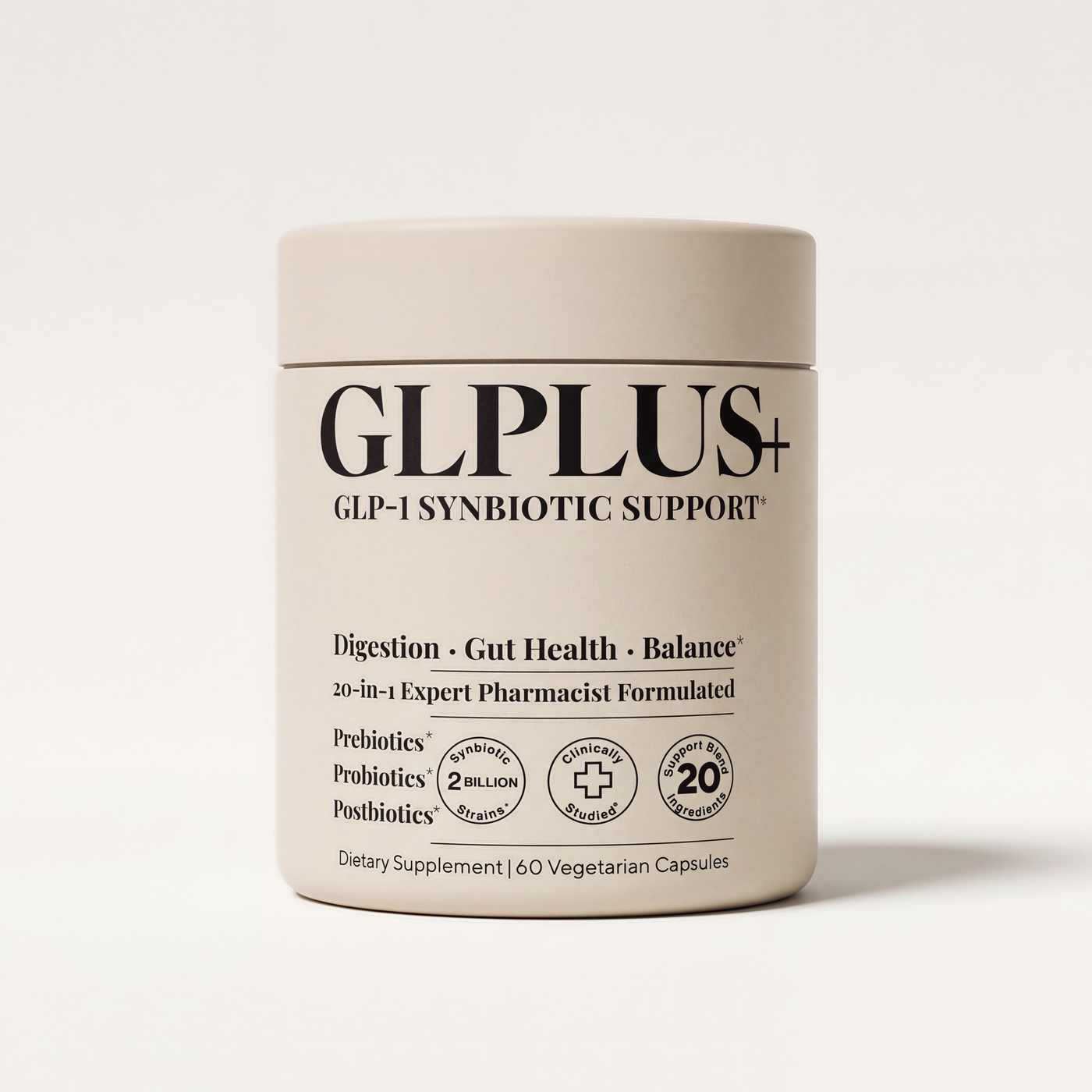
Quick Answer: After a round of antibiotics, gut microbiome diversity collapses — sometimes for months — and gut barrier integrity is temporarily compromised. The evidence-backed recovery approach is phased: start with Saccharomyces boulardii (a yeast probiotic unaffected by antibiotics) during or immediately after the course, add prebiotic fiber and spore-forming probiotics in weeks 1-4, and shift to diversity-building foods and Akkermansia-supporting polyphenols through weeks 4-12. Binders like zeolite clinoptilolite and activated charcoal can help clear the increased bacterial debris load in the GI tract during the early recovery window.

You Finished the Antibiotics. So Why Do You Still Feel Off?
You took the full course. The infection cleared. The doctor said you're good. But something still isn't right.
Your digestion is off — bloating you didn't have before, irregular bowel movements, discomfort you can't quite locate. Maybe you developed a yeast infection mid-course. Maybe your energy dropped and hasn't come back. You're sleeping, eating reasonably well, and the infection is gone, but you don't feel like yourself.
This is not in your head. It's not psychosomatic. It has a specific biological explanation.
Antibiotics are one of the most consequential interventions in modern medicine, and they're also one of the bluntest. They're designed to kill bacteria — and they're good at it. The problem is that your gut contains approximately 38 trillion bacteria, the vast majority of which are doing nothing but helping you. When antibiotics clear a bacterial infection, they clear a significant portion of everything else along with it.
Here's what's actually happening in your gut after a round of antibiotics — and what a systematic, evidence-based recovery actually looks like.
What Antibiotics Actually Do to the Microbiome
Broad-spectrum antibiotics — amoxicillin, fluoroquinolones (ciprofloxacin, levofloxacin), metronidazole, and clindamycin are the most commonly prescribed — are not selective. They're designed to eliminate a target pathogen, but they can't distinguish between Streptococcus pyogenes and the Lactobacillus and Bifidobacterium species that have spent years colonizing your gut and doing useful work.
A 2015 comprehensive review by Francino in Frontiers in Cellular and Infection Microbiology documents what happens in detail: antibiotic treatment causes rapid, dramatic collapse in gut microbiome diversity within days of starting a course. The degree of disruption depends on the antibiotic class, the dose, and the duration — but some level of collateral disruption is essentially universal.
More concerning than the initial collapse is what happens afterward. Research by Jernberg et al., published in the ISME Journal (2010), tracked subjects who had received clindamycin and found that resistance genes in Bacteroides — a major genus of gut bacteria — were detectable four years after antibiotic treatment. Some species that were eliminated during the course never fully recolonized. The gut recovered partially, but not completely, over the follow-up period.
Several specific consequences follow from this collapse:
Short-chain fatty acid (SCFA) production drops. The bacteria that produce butyrate, propionate, and acetate — primarily members of the Firmicutes and Lachnospiraceae families — are among those most vulnerable to antibiotic disruption. Butyrate is the primary fuel source for colonocytes (the cells lining your colon). When butyrate production drops, colonocyte health suffers. Butyrate also stimulates GLP-1 secretion from enteroendocrine cells, so SCFA depletion has downstream effects on satiety signaling and blood sugar regulation.
Akkermansia muciniphila populations deplete. Akkermansia is one of the primary bacteria responsible for maintaining the mucus layer that lines the gut wall. When Akkermansia populations drop, the mucus layer thins. This is the gut's first physical barrier against pathogens and luminal contents. When it thins, you become more vulnerable to what's discussed in the next section.
Clostridioides difficile overgrowth risk increases. C. diff is a pathogen that is normally held in check by competing microbiome members. When the competing flora is wiped out, C. diff can proliferate and produce its characteristic toxins. This is the most serious acute complication of antibiotic-associated gut disruption — and it's entirely a consequence of reduced colonization resistance, not the antibiotic itself causing harm.

The Leaky Gut Window
The period immediately after an antibiotic course is the window of highest gut permeability.
Gut barrier integrity depends on several things working together: a healthy mucus layer (maintained primarily by Akkermansia), tight junction proteins between intestinal epithelial cells (maintained by butyrate and other postbiotics), and the physical presence of the microbiome itself, which occupies ecological niches that prevent pathogenic translocation.
When antibiotics disrupt all of these simultaneously, the result is temporarily increased intestinal permeability. Lipopolysaccharide (LPS) — the endotoxin molecule found in the outer membrane of gram-negative bacteria — can cross a compromised gut barrier more easily than it can cross a healthy one. LPS in circulation triggers systemic inflammatory signaling via Toll-like receptor 4 (TLR4). This is not a dramatic, acute-poisoning type of inflammation — it's low-grade, chronic, and the likely explanation for much of the post-antibiotic fatigue and cognitive fog people report.
Research across multiple studies consistently finds that gut permeability markers (zonulin, LPS-binding protein, intestinal fatty acid-binding protein) are elevated for four to eight weeks after antibiotic treatment ends.
There's also an additional burden specific to the post-antibiotic environment: bacterial cell wall debris. When antibiotics lyse bacteria, they release the contents of those cells into the gut lumen — including large amounts of LPS from gram-negative species. This creates a temporary surge in intraluminal endotoxin load that the gut barrier (now compromised) has to handle.
This is the specific context in which GI-tract binders are useful during the recovery window — more on that shortly.
The Recovery Protocol
Restoring the gut microbiome after antibiotics is not a single action. It's a phased process. The biology of what the gut can actually use changes over the weeks following antibiotic treatment.
Phase 1: During or Immediately After the Antibiotic Course (Days 1-7)
Saccharomyces boulardii — the one probiotic that actually works during antibiotics.
Saccharomyces boulardii is a yeast, not a bacterium. Because antibiotics target bacteria, S. boulardii is unaffected by antibiotic treatment. This makes it uniquely useful for taking during an antibiotic course, when bacterial probiotics would simply be killed.
A 2015 meta-analysis by Szajewska and Kołodziej, published in the Alimentary Pharmacology and Therapeutics, found that S. boulardii significantly reduced the incidence of antibiotic-associated diarrhea in children and adults. It's the most evidence-backed intervention to use concurrently with antibiotics. Standard dosing used in studies is 500-1,000mg per day, taken at a different time of day than the antibiotic dose.
Bone broth and collagen peptides. The amino acids glutamine and glycine are the primary building blocks for gut epithelium repair. Glutamine is the preferred fuel of enterocytes (the cells lining the small intestine). During a period when the gut barrier is under stress, dietary glutamine from bone broth or collagen supplementation provides direct substrate for repair. This is not a miraculous intervention — it's supportive nutrition during a demanding period.
Eliminate the obvious aggravators. Alcohol is directly toxic to intestinal tight junctions and alters bile acid composition. Ultra-processed foods and added sugars selectively feed dysbiotic species (many opportunistic bacteria and yeasts thrive on simple sugars in a depleted microbiome environment). The gut doesn't need any additional challenges during this window.
Phase 2: Weeks 1-4 (Restoration Phase)
Spore-forming probiotics.
After completing antibiotics, the gut environment is not yet stable enough to support efficient colonization by typical Lactobacillus and Bifidobacterium strains. The pH, redox potential, and available colonization niches are all in flux. Spore-forming probiotic species — primarily Bacillus coagulans and Bacillus subtilis — survive the hostile post-antibiotic gut environment significantly better than standard lactic acid bacteria, because their spore form is highly resistant to environmental disruption. They can germinate and become metabolically active in the conditions that exist in the post-antibiotic gut.
As the environment stabilizes — typically weeks 2-4 — introduce a multi-strain Lactobacillus and Bifidobacterium product. Look for formulations that include L. rhamnosus GG (one of the best-researched strains for gut recovery), B. longum, and L. acidophilus at minimum.
Prebiotic fiber.
Reintroducing surviving bacteria to a gut with no food source for them isn't going to accomplish much. Prebiotic fiber — particularly inulin, fructooligosaccharides (FOS), galactooligosaccharides (GOS), and psyllium — feeds the bacteria you're trying to restore.
Start slowly. The populations of fermenting bacteria are depleted, which means the fermentation of fiber will be slow and may produce more gas initially than it would in a fully populated microbiome. Introduce 3-5g of prebiotic fiber per day and build gradually over two to three weeks. Psyllium husk is particularly useful in this phase because it's both a prebiotic and supports bowel regularity — which helps clear the increased bacterial debris load in the gut.
Binders: zeolite clinoptilolite and activated charcoal.
This is the mechanism most people don't think about. After a course of antibiotics, the gut lumen contains a higher-than-normal burden of bacterial cell wall debris — particularly LPS from lysed gram-negative bacteria. The gut barrier is simultaneously at its most permeable. This creates a specific risk window for endotoxin absorption.
GI-tract binders — zeolite clinoptilolite and activated charcoal — work by intercepting compounds in the gut lumen before they can be absorbed. Zeolite clinoptilolite is a naturally occurring aluminosilicate mineral with a crystalline lattice structure that selectively binds heavy metals and certain organic compounds via ion exchange. Activated charcoal adsorbs a broad spectrum of organic compounds through van der Waals forces, including bacterial toxins and LPS.
Research by Lamprecht et al., published in the Journal of the International Society of Sports Nutrition (2015), demonstrated that clinoptilolite supplementation improved gut barrier integrity markers in subjects under physical stress — suggesting a protective effect on tight junction function.
In the post-antibiotic context, binders serve to reduce the LPS and endotoxin burden in the gut during the window when the gut barrier is most permeable. This takes load off the liver's detoxification pathway during a period when it's already handling increased metabolic demand.
Critical timing rule: Binders are non-discriminating. They will bind your probiotic supplements, your medications, and your food nutrients with the same efficiency they bind toxins. Take binders at least 2 hours away from all medications and at least 1 hour away from all other supplements and meals. Before breakfast and before bed (well after dinner) are the natural windows.
NAC (N-Acetyl Cysteine).
NAC is the precursor to glutathione — the body's primary endogenous antioxidant and the molecule central to the liver's Phase II detoxification pathway. During the post-antibiotic period, the liver is handling a higher metabolic burden. NAC also has a gut-specific role: it is a precursor for mucin, the glycoprotein that forms the structural backbone of the gut's mucus layer. Supporting mucin synthesis supports the physical barrier that was depleted when Akkermansia populations dropped.
Phase 3: Weeks 4-12 (Rebuilding Phase)
Restore Akkermansia through polyphenol-rich foods. Akkermansia muciniphila is notably difficult to directly supplement (it's an obligate anaerobe that doesn't survive typical encapsulation processes), but it responds to dietary polyphenols as substrate. Pomegranate, cranberry, blueberry, grape, and dark chocolate are among the highest-polyphenol foods with documented Akkermansia-stimulating effects. Fermented vegetables also support Akkermansia restoration.
The 30-plant-per-week target. Research from the Sonnenburg laboratory at Stanford has established that dietary diversity — specifically the number of distinct plant sources consumed weekly — is one of the strongest predictors of gut microbiome diversity. A target of 30 different plant sources per week (which includes vegetables, fruits, legumes, whole grains, nuts, seeds, herbs, and spices — each variety counts as one) is achievable and has measurable microbiome impact.
Add fermented foods. A 2021 randomized controlled trial by Wastyk et al., published in Cell, is the most rigorous recent evidence on this topic. Over 10 weeks, subjects eating a high-fermented-food diet showed significantly greater increases in microbiome diversity compared to subjects eating a high-fiber diet. Both diets improved markers of immune regulation, but fermented foods outperformed fiber alone for diversity restoration. Yogurt (with live cultures), kefir, kimchi, sauerkraut, and kombucha are the most accessible sources.
Set realistic expectations. Full microbiome restoration after a significant antibiotic course typically takes two to six months with active intervention. This is the documented timeline in the literature, not a pessimistic estimate. If you're three weeks post-antibiotic and you still feel off, that's within the normal window — not a sign that something is additionally wrong.
Frequently Asked Questions
Should I take probiotics during or after antibiotics? Both, with the right strains. During antibiotics, take Saccharomyces boulardii specifically — it's a yeast and isn't killed by antibiotics. Bacterial probiotics (Lactobacillus, Bifidobacterium) should be taken at least 2 hours after your antibiotic dose during the course, and then continued after finishing. Start with spore-forming strains (Bacillus coagulans, Bacillus subtilis) immediately post-course, then transition to multi-strain Lactobacillus/Bifidobacterium products as your gut environment stabilizes.
How long does it take to restore gut flora after antibiotics? It varies by antibiotic class, course duration, and what you do during recovery. Without intervention, some species may not recover for over a year — Jernberg et al. (2010) found Bacteroides resistance genes in subjects four years post-treatment. With an active protocol including probiotics, prebiotic fiber, and fermented foods, meaningful recovery typically occurs over two to six months. Most people notice symptomatic improvement in two to four weeks.
What is the best probiotic to take after antibiotics? There's no single "best" probiotic — the evidence points to using the right strains in the right sequence. S. boulardii for during the course. Spore-formers (Bacillus coagulans) immediately post-course. Multi-strain Lactobacillus and Bifidobacterium formulations as the environment stabilizes. Diversity matters more than high CFU counts from a single strain.
Can I drink alcohol after finishing antibiotics? You should avoid alcohol during the antibiotic course (for multiple reasons, including the interaction with certain antibiotics like metronidazole). After finishing, alcohol's direct effect on intestinal tight junctions makes it worth avoiding during the active recovery window — at minimum the first one to two weeks post-course. The gut barrier is compromised and alcohol specifically damages tight junction proteins.
What are the signs my gut is recovering? Positive signs include: bowel regularity returning to your pre-antibiotic baseline, reduced bloating, improved energy, and disappearance of any antibiotic-associated diarrhea. Full microbiome recovery takes longer than symptomatic improvement — feel better doesn't mean fully restored. Continue the protocol through the full 8-12 week timeline regardless of how you feel at week three.
Do I need to take anything special if my antibiotic course was short (3-5 days)? Shorter courses cause less disruption, but they still cause disruption. The protocol applies at any course length, just with shorter execution time. A 3-day course might require 4-6 weeks of active recovery rather than 8-12. The phases remain the same; the timeline compresses.